

Why we turn to limerence when the world feels empty
A culture of disconnection

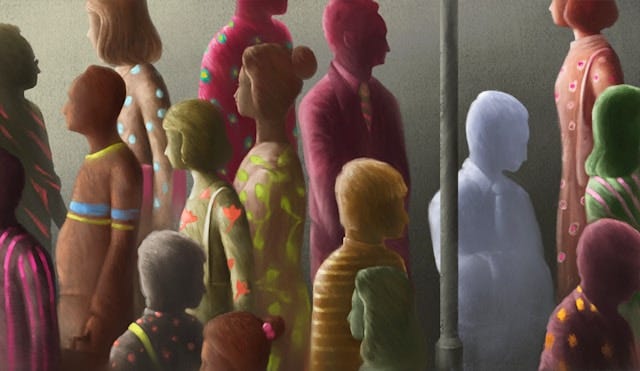
Photo by Unsplash
There is something about our culture and about modern life that we tend to ignore. It's more of a forgetting, really. A forgetting of the knowledge that was once passed down from generation to generation and which has now been lost. Now, we find deep disconnection: from ourselves, from each other, from nature, from our bodies, and from the practices that once gave our lives meaning.
Our ancestors relied on stories and myths to create meaning and provide guidance. These stories helped us relate to our suffering, offering pathways to overcome our greatest barriers-barriers we could see reflected in universal archetypes that reminded us we were not alone. We were part of a long lineage of humans who struggled similarly, and who, through courage and the search for wisdom, found their way through.
As humans, we rely on archetypal images and narratives to make sense of our inner chaos. Through recognizing something bigger than ourselves, we transmute what once felt impossible. But in our modern world, redemptive narratives have largely been replaced by television or youtube. And while television has the potential to tap into ancestral archetypes, more often it focuses on violence, sex, and drama. Instead of participating in the storytelling, we passively consume it. It becomes a one-way stream into our subconscious, filled not with the empowering wisdom of myth, but with limiting narratives that subtly shape our expectations of life and self.
This isn’t the only thing we’re disconnected from. We’re also losing touch with our bodies, our needs, and our ability to be present. Our culture prioritizes productivity over presence, status over connection, and escape over emotional engagement. We are moving so quickly, ingesting so much, and constantly expected to be available—to anyone and everyone—that the space required to slow down, integrate, and truly listen to ourselves is becoming harder and harder to find.
The solutions that live in our intuition, our bodies, and our experience—those subtle truths we uncover when we’re truly present—get buried as we try to keep up with the relentless pressure of a culture obsessed with “more.” We’ve become disconnected from nature’s rhythm and the wisdom it mirrors back to us.
Many people I know say they hate being around others, preferring instead to retreat alone at home. They often chalk this up to being an introvert, not realizing that what they’re actually experiencing is chronic nervous system overwhelm. And hey, I say this as an introvert myself. Alone time is important, but the overwhelm I’m talking about is a byproduct of a society that doesn’t teach presence, community, intimacy, or regulation—but instead teaches dissociation, consumerism, escapism, and constant self-improvement. Isolation becomes our only form of protection, but in this isolating aloneness we are not truly being fed in the ways that matter most.
Limerence, and the deep yearning of our heart, reveals this hidden hunger. We are cut off from real sources of belonging and wisdom in our culture, so we fill ourselves up on the empty calories of substance-induced joy, binge-watching television, compulsively playing video games, workaholism, and social media that masquerades as intimacy but leaves us emptier than before. What all of these have in common is the numbing and distraction from the genuine needs of our bodies.
No wonder our hearts turn toward the fantasy realm of limerence. It offers a promise: salvation from a life that feels flattened and devoid of meaning. Romantic love becomes the last remaining avenue through which we can catch a glimpse of the transcendence we’re truly yearning for—total acceptance by the beloved, the beauty of being fully seen for our uniqueness, the aliveness we’ve lost touch with, and the vision of a future that heals our lifelong wounds.
“With you, my beloved, I will never feel this disconnection again. I will be safe and warm in your arms forever.”
The neurochemical cocktail that floods our brains at the onset of a glimmer mimics the state of bliss, safety, and vitality that we are all seeking. It wakes us up from our usual slumber and reminds us:
We were made for more.
And that is truth. But the “more” isn’t a singular person. It is the vitality and the connection that has been stripped from our lives. It is remembering who we are. It is waking from slumber, and choosing to live.
Reflection: Where in your life have you been abandoning your inner knowing in favor of external distractions? Are there any areas of your life where it feels hard to slow down?